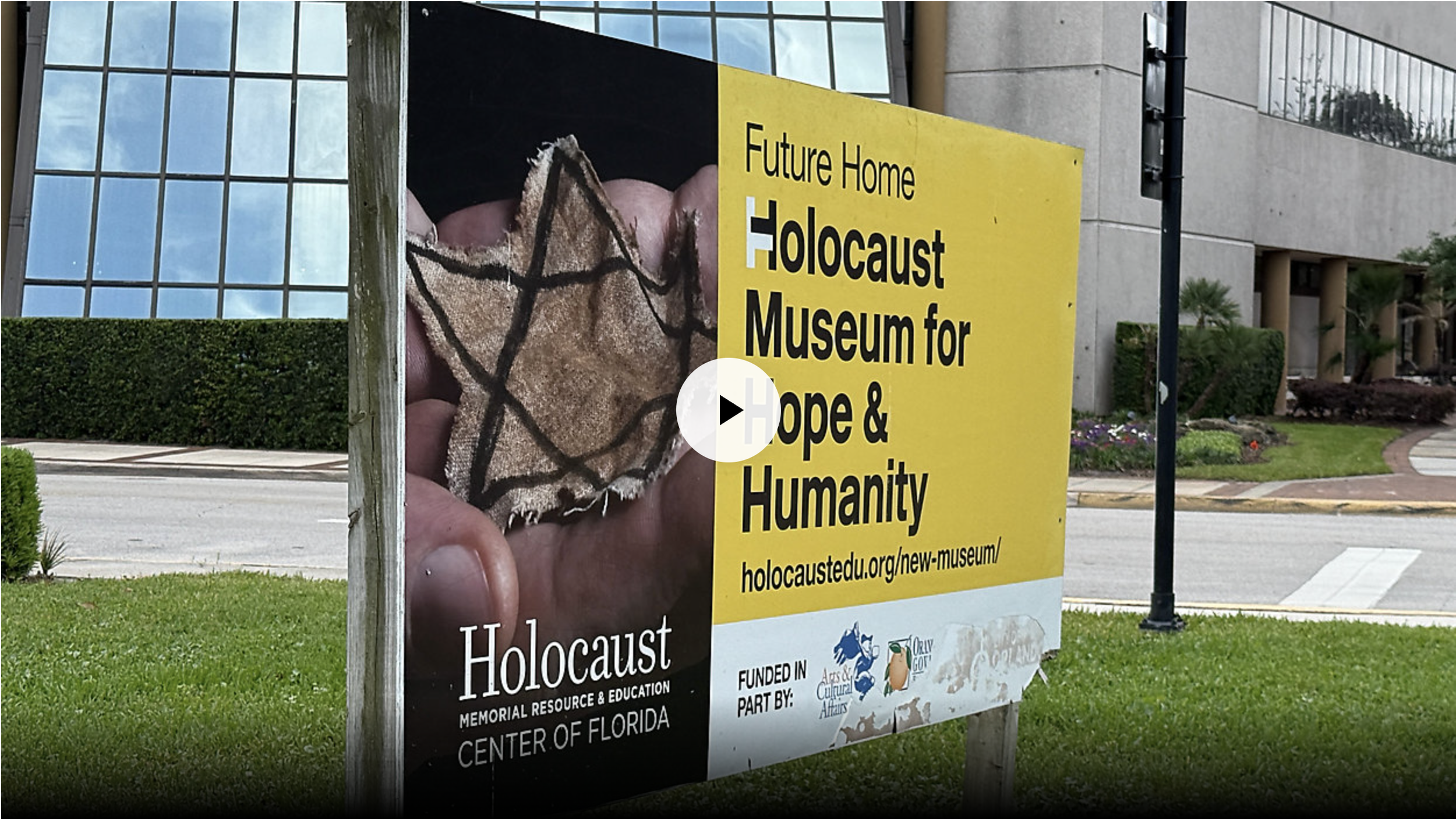
Holocaust Museum
for Hope & Humanity
Preserving the Past to Protect the Future

Our New Museum
Each generation makes choices. We decide how we will live, how we will instill values in our youth, and how we will treat the people around us. Even the smallest actions shape the world in ways that last.
The choices we make are guided by the values we uphold. From the Holocaust, we learn that certain values have the power to disrupt patterns of prejudice and injustice.
Empathy
Courage
Hope
These values move people from silence to action. From indifference to engagement. From bystanders to upstanders.
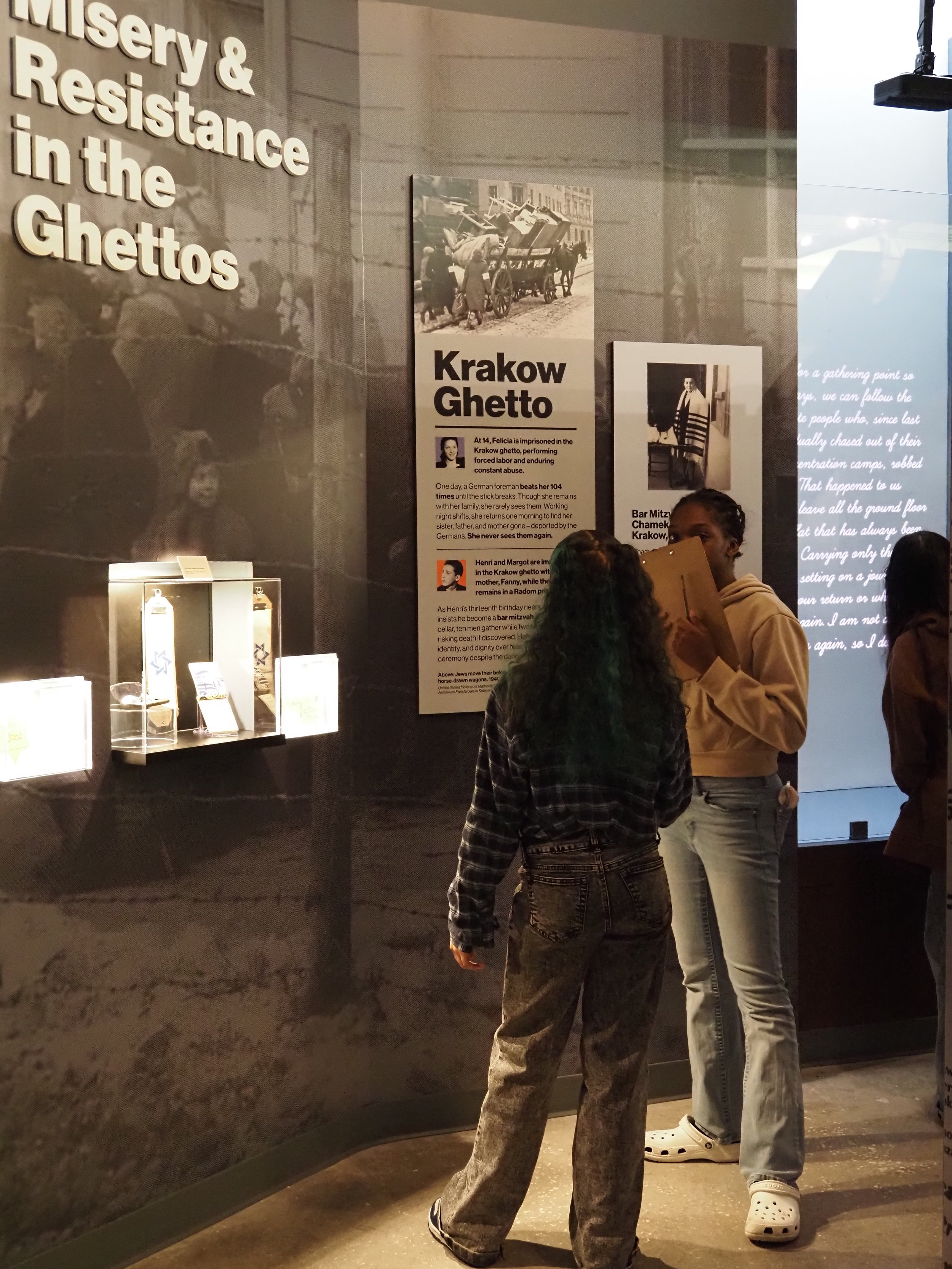
At the new Holocaust Museum for Hope & Humanity, we present people who, in the face of unimaginable cruelty, chose a path defined by hope and humanity.
We examine patterns of injustice, othering, and unbelonging as a stark reminder of what can take hold in any community when empathy is absent and courage is silenced.
Centering Voices
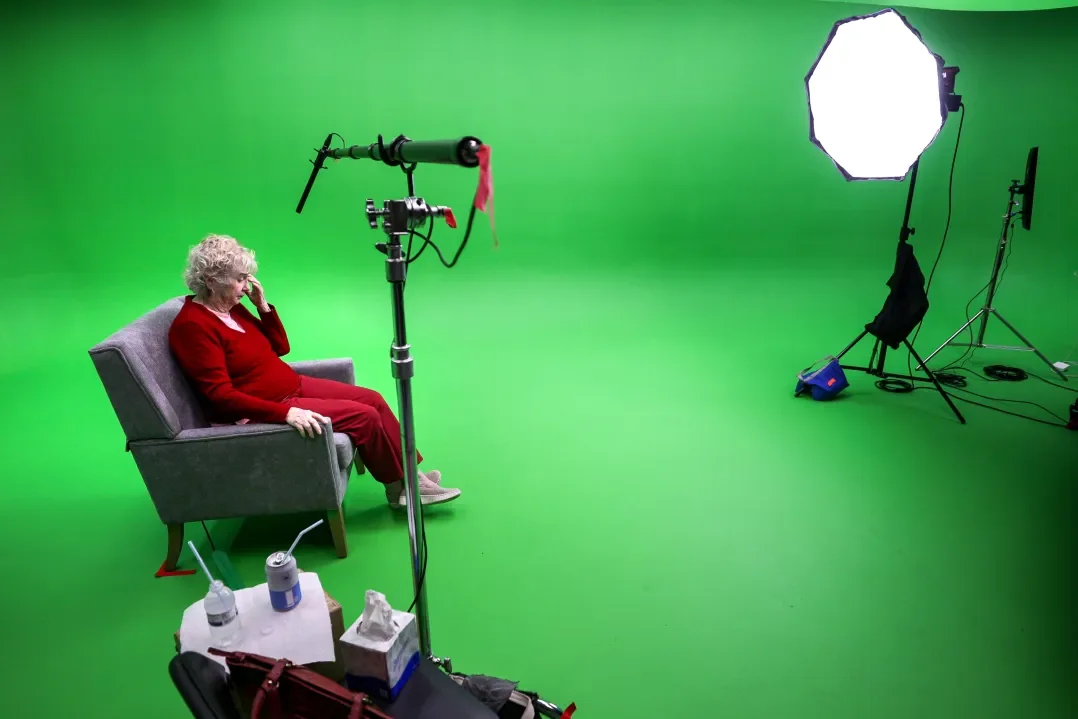
Our education and exhibition programming centers on real people who endured injustice, helping visitors connect personally to their lived experiences and better understand the patterns and consequences of othering and unbelonging in the past and today.
-
Jewish people who experienced the unprecedented, total, and systematic persecution and genocide perpetrated by Nazi Germany and its collaborators. Through their personal stories, we illuminate the human impact of antisemitism, discrimination, and genocide, and the ways individuals preserved their dignity, identity, and humanity in the face of attempted erasure.
-
Individuals who were discriminated against and persecuted by Nazi Germany and its collaborators based on their race or ethnicity (actual or perceived), religion, political beliefs, sexual orientation, or mental or physical disabilities. Their experiences reveal the broader machinery of Nazi oppression and underscore the dangers of prejudice and dehumanization in any society.
-
Communities and individuals today who experience othering, unbelonging, discrimination, or injustice. By connecting their experiences to the history and lessons of the Holocaust, we foster empathy and awareness, encouraging visitors to recognize patterns of exclusion and to take responsibility for building a more just and caring community.
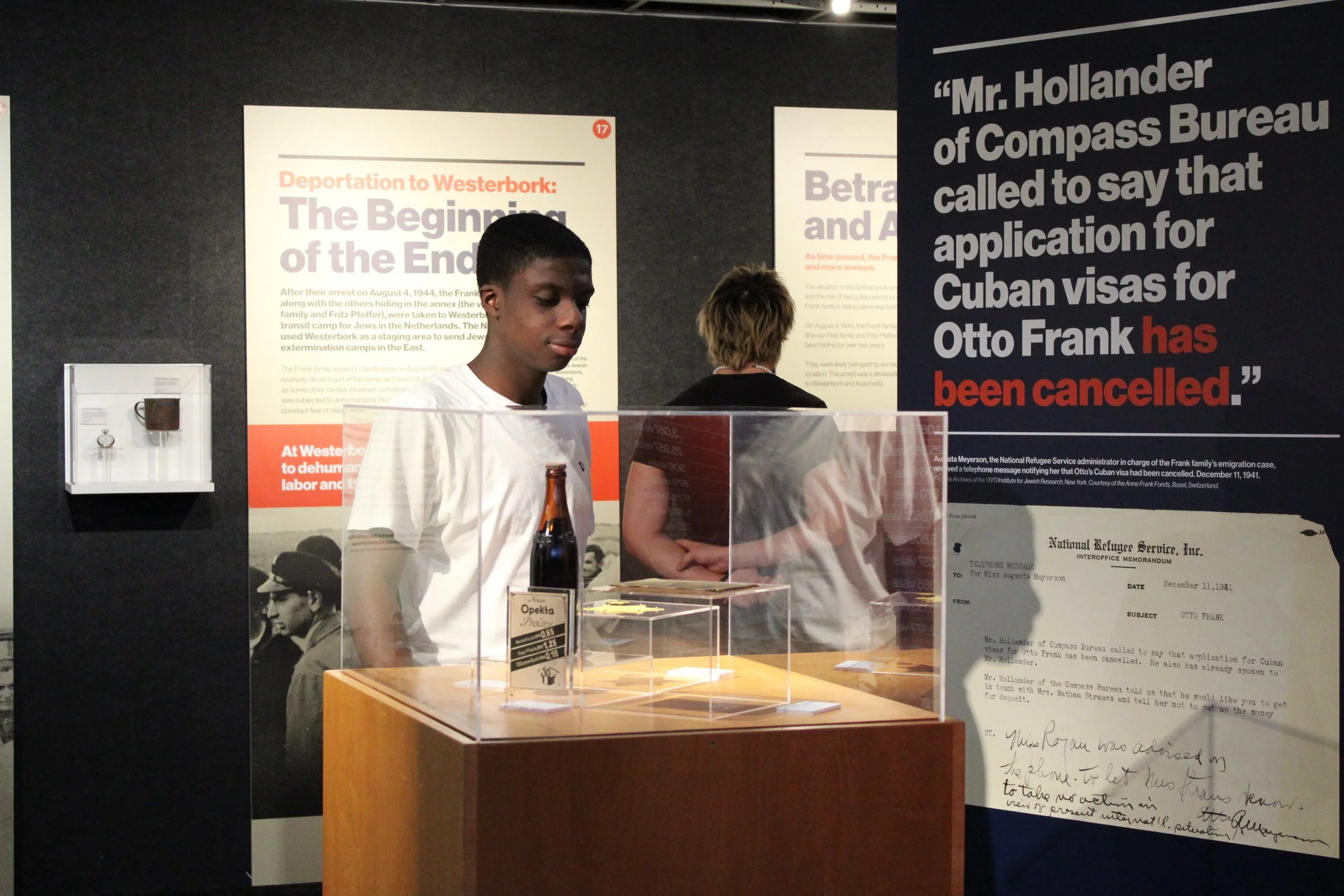
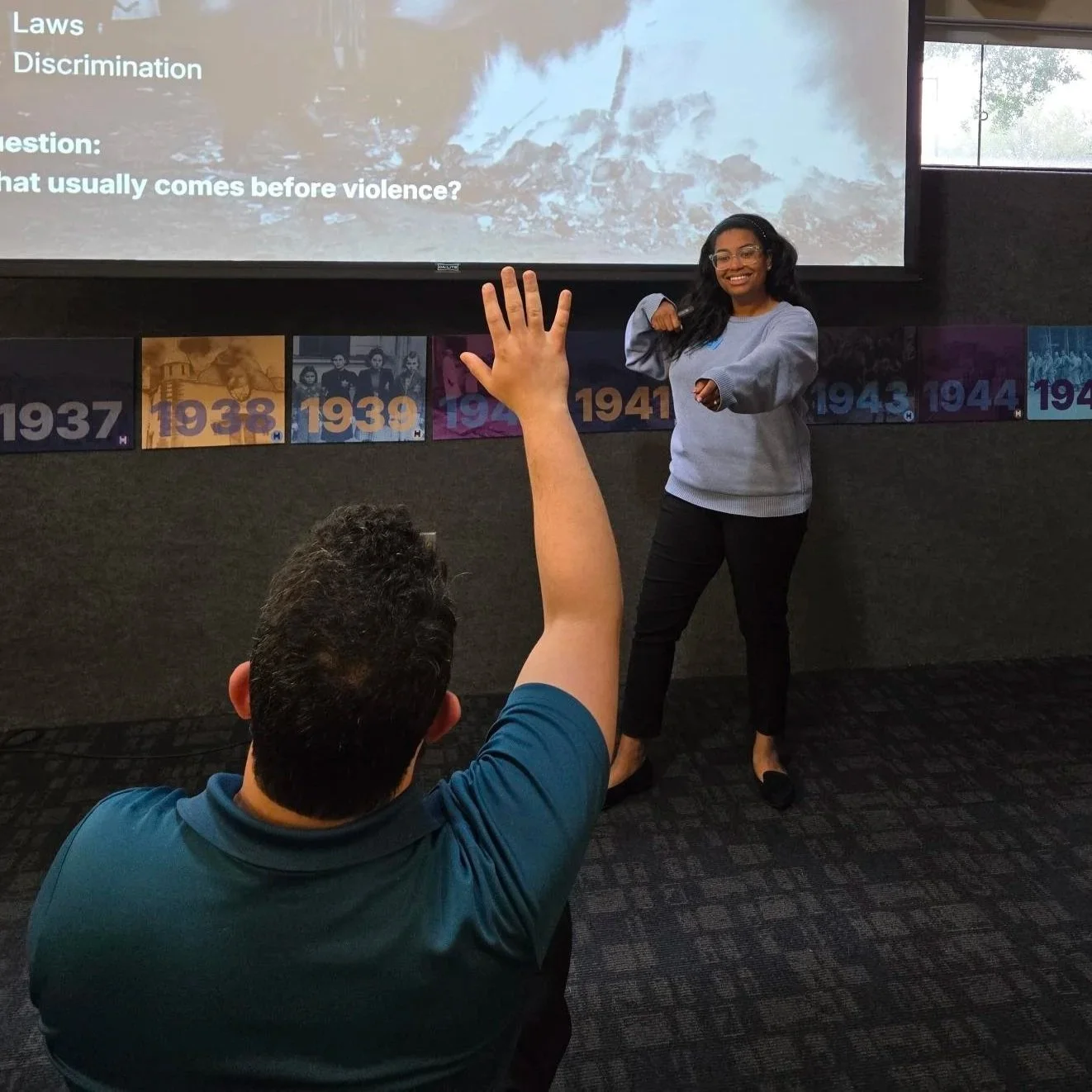
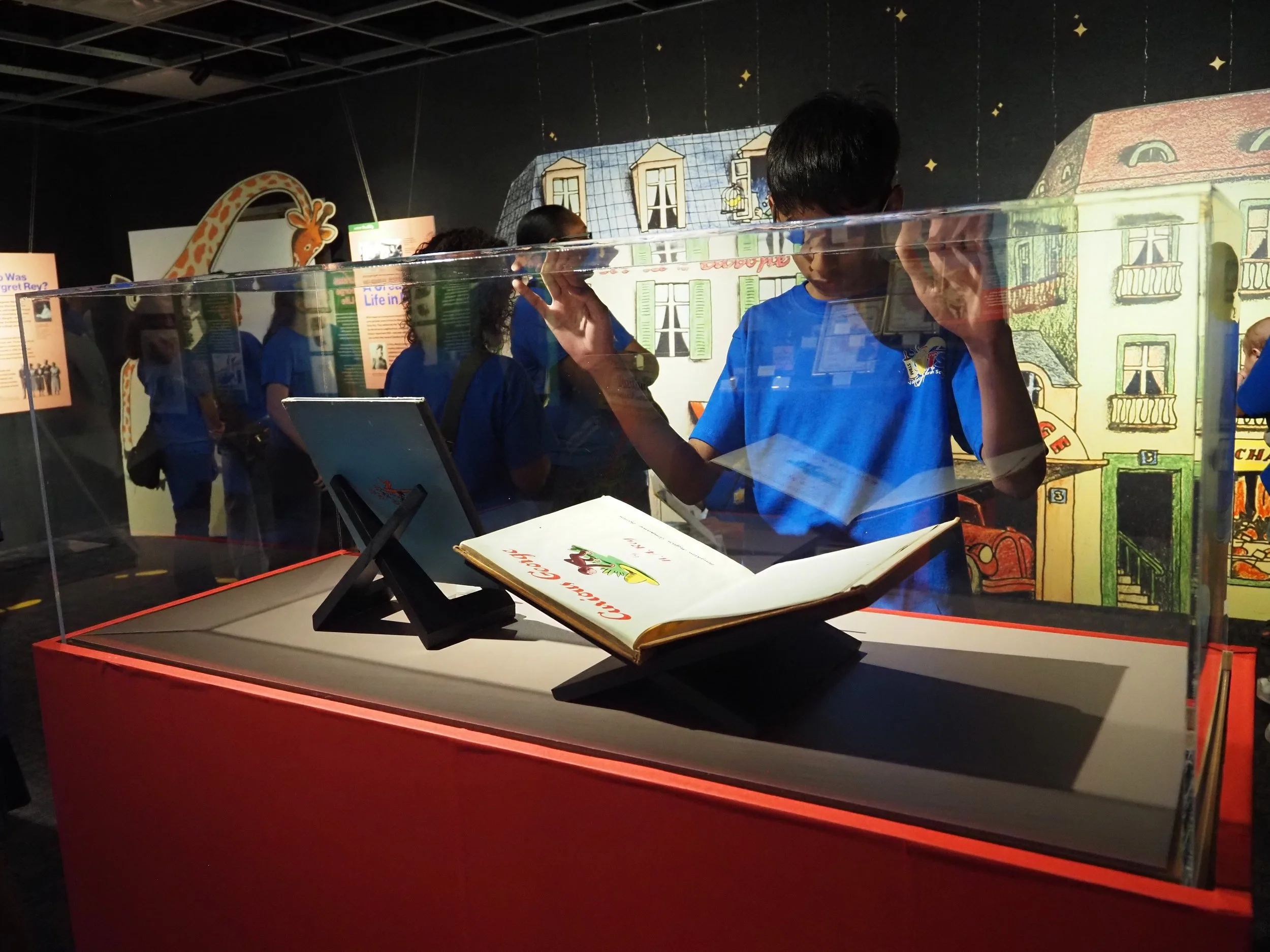
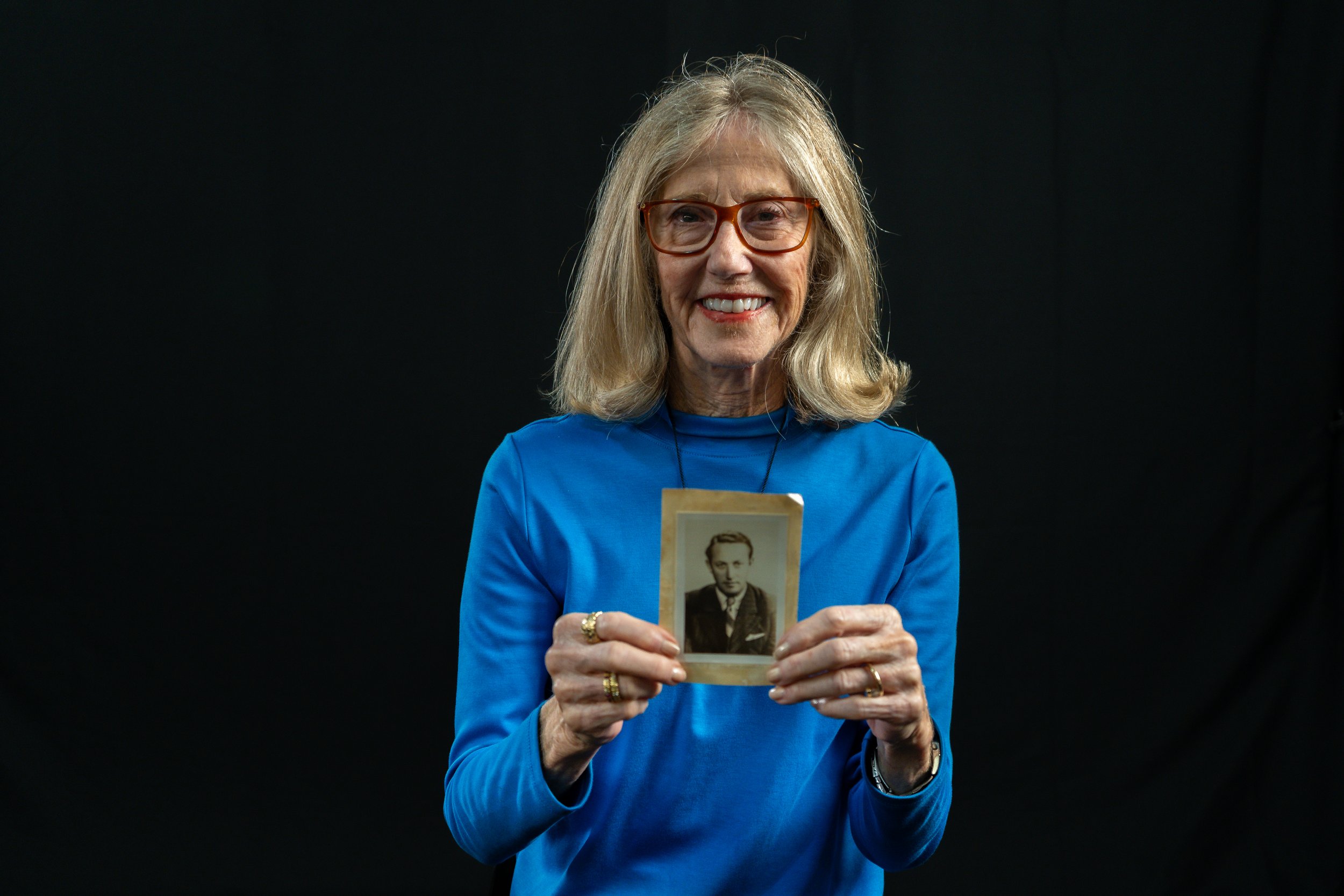
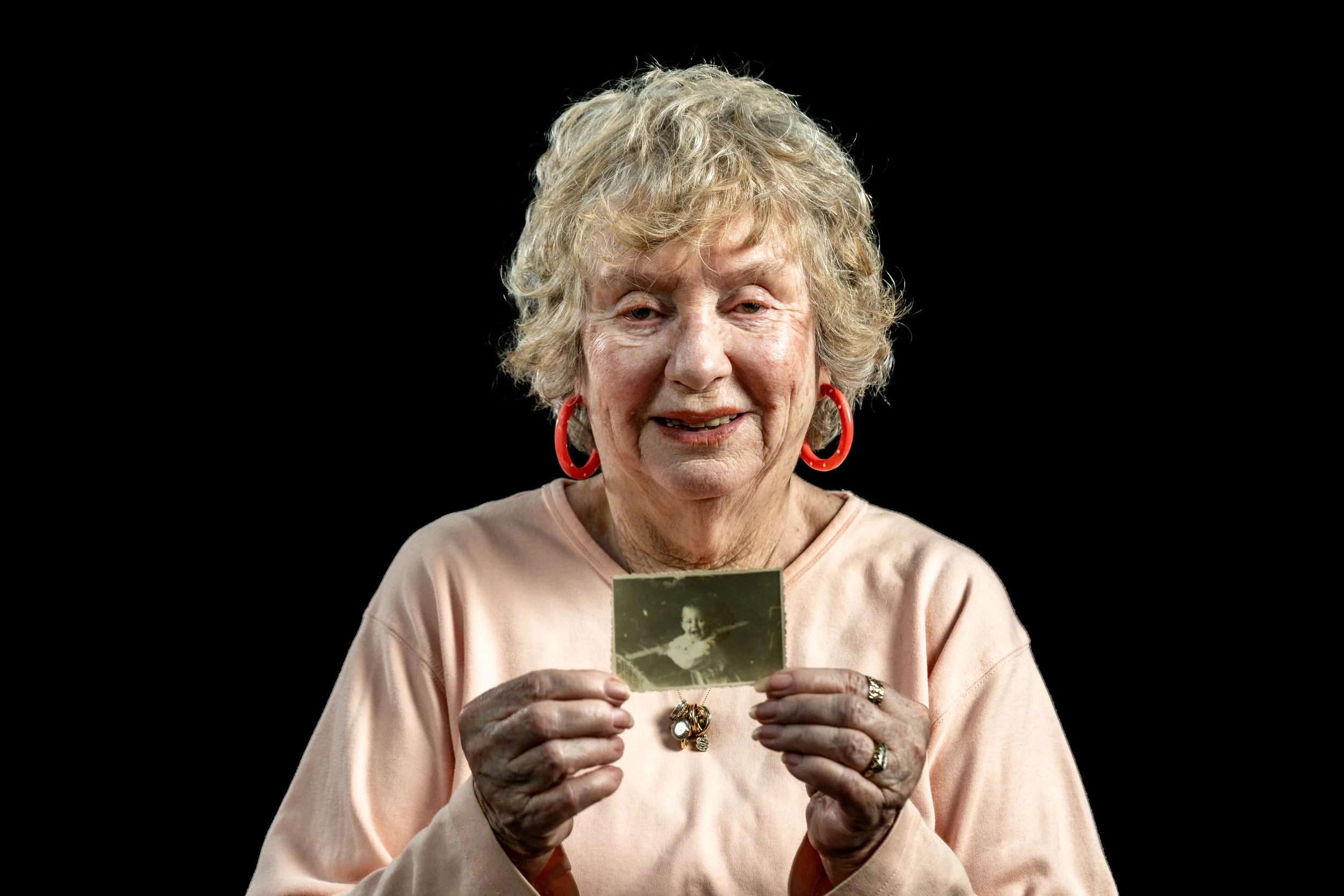
Injustice, othering, and unbelonging are not abstract ideas. They are patterns that shaped the Holocaust and continue to shape our world today.
Our core exhibit examines these patterns to help explain the Holocaust by inviting visitors to walk alongside survivors who rebuilt their lives in Florida. Through their experiences, we encounter the resilience of people who became our neighbors, colleagues, and friends. Their stories connect past to present and invite us to recognize these forces in our own communities, inspiring us to stand against antisemitism and injustice wherever they appear.
A Community Story.
A Global Experience.
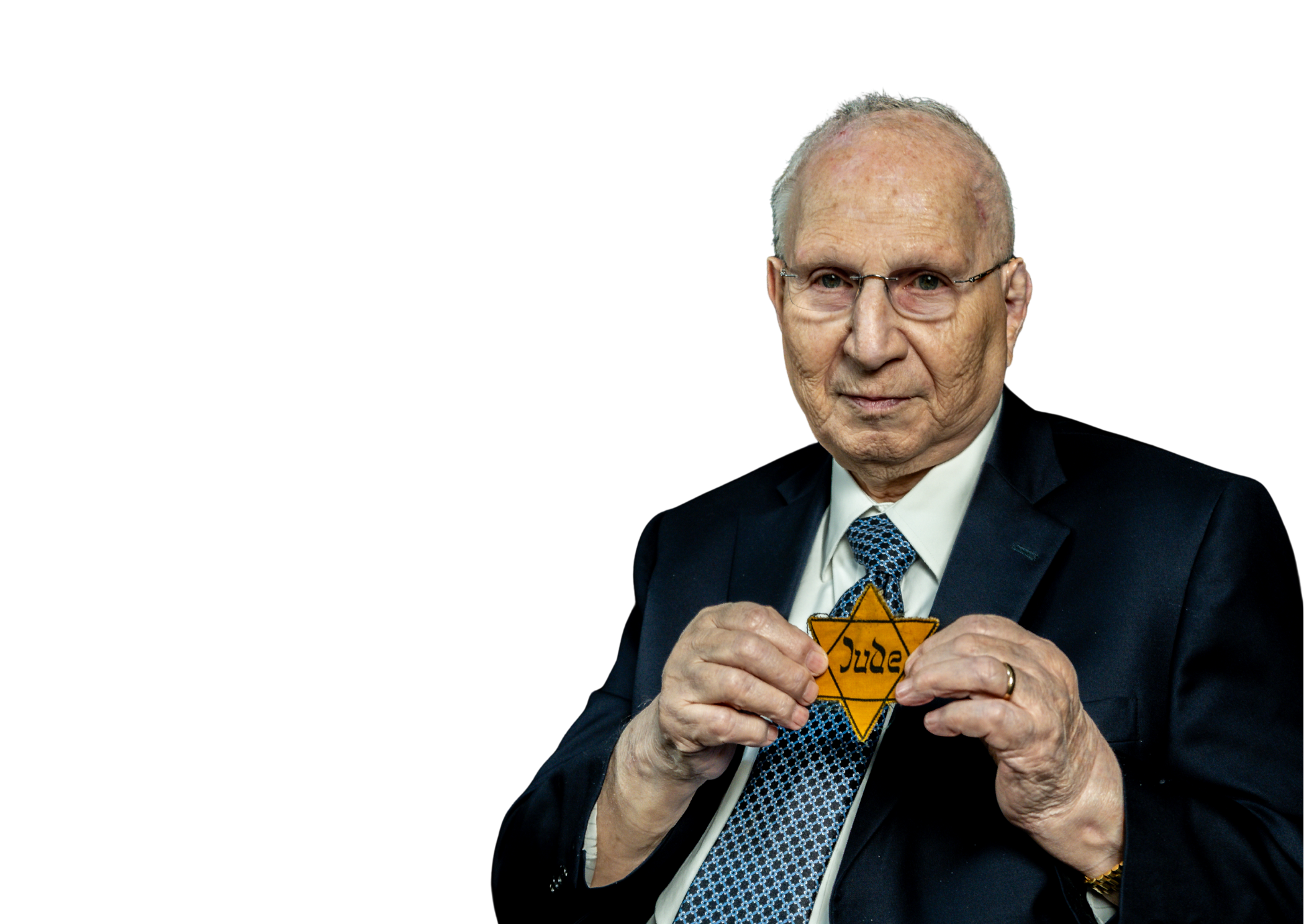
“The Nazis couldn’t take away from me who I am in my heart.”
- Harry Lowenstein Wekiwa Springs, FL

Read our press release
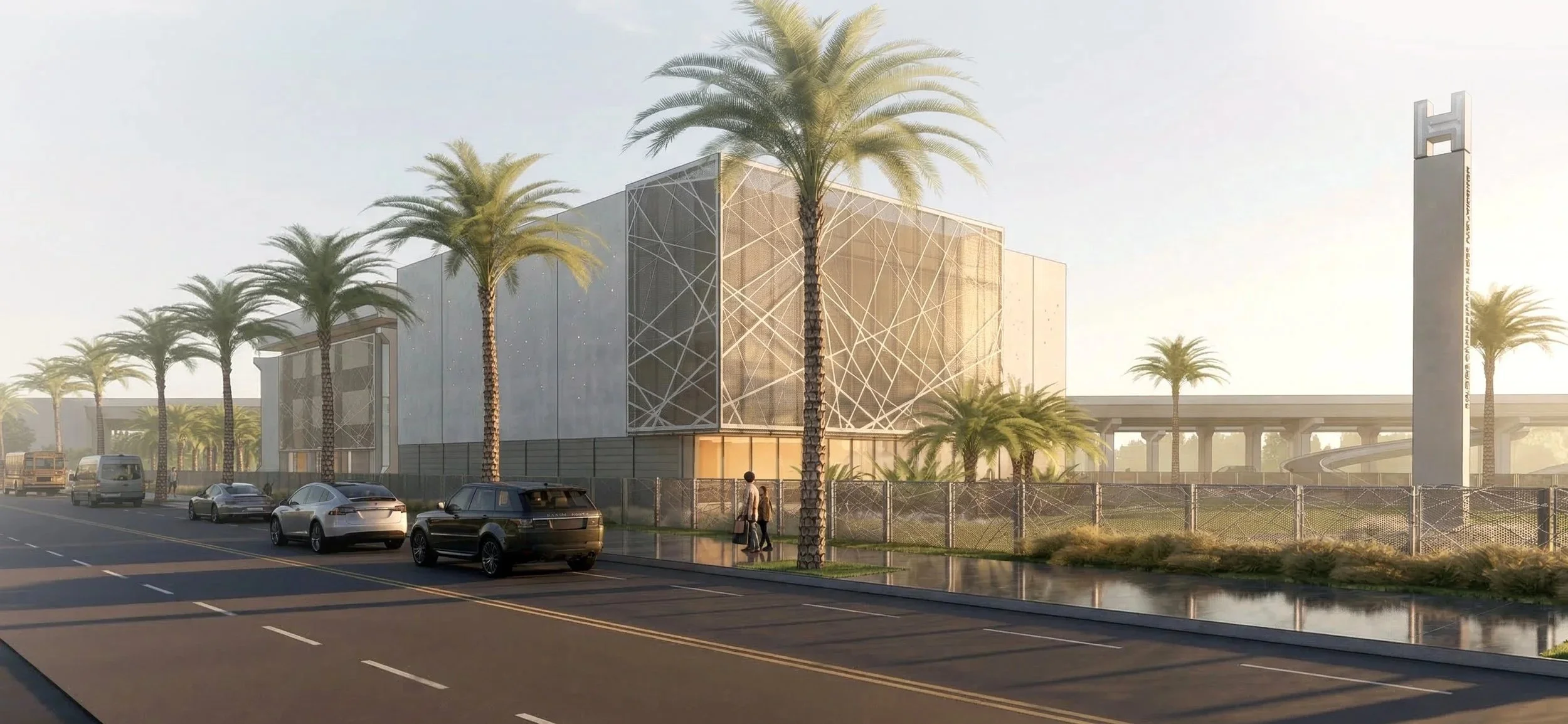
Built for a Global Community
Spanning over 25,000 square feet, the museum will utilize state-of-the-art technology and provide immersive, interactive experiences. Through storytelling, artifacts, and documents, visitors will learn about the Holocaust and the resilience of humanity in the face of atrocity. This space will not only celebrate Orlando's inclusive spirit but also serve as a global beacon of hope, reminding us of our collective responsibility to foster a better future.

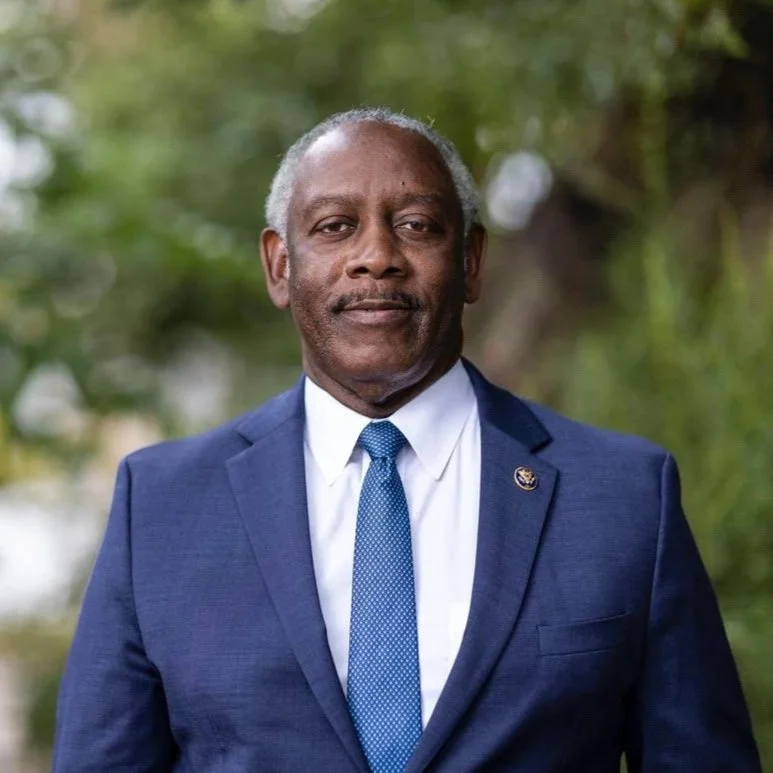
“Orange County prides itself on its unique cultural attractions, and the Holocaust Museum for Hope & Humanity is especially meaningful for our community and the millions who visit Central Florida.”
- Orange County Mayor Jerry L. Demings
Our Design Partners


-
![]()
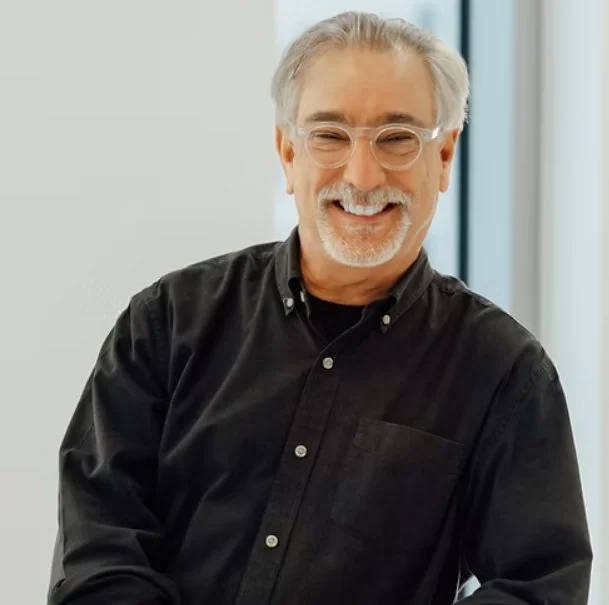
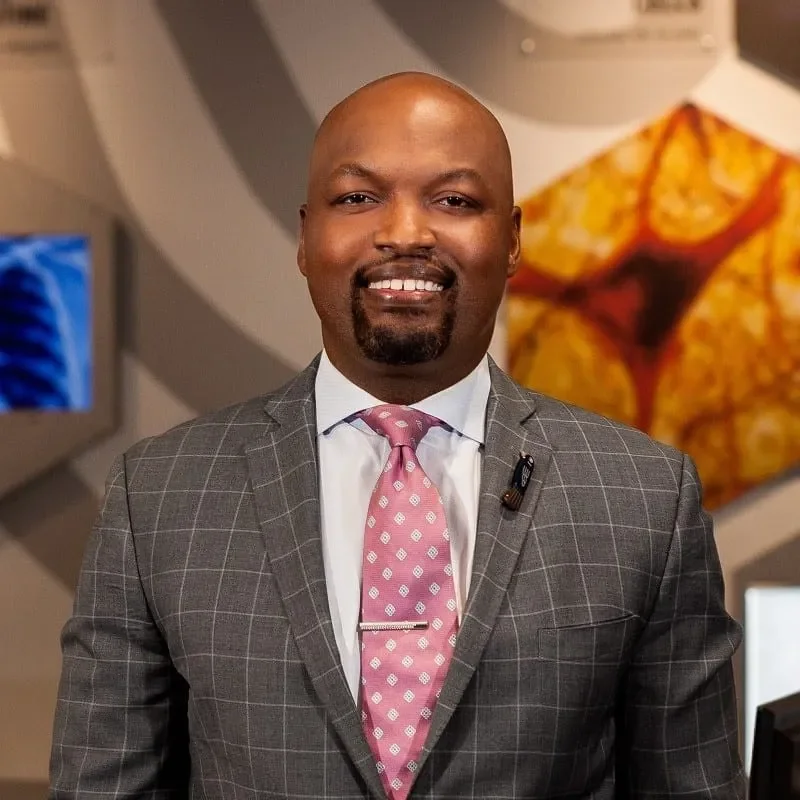
Maurizio Maso, AIA
Vice President, Design Principal
HuntonBrady Architects
-
![]()
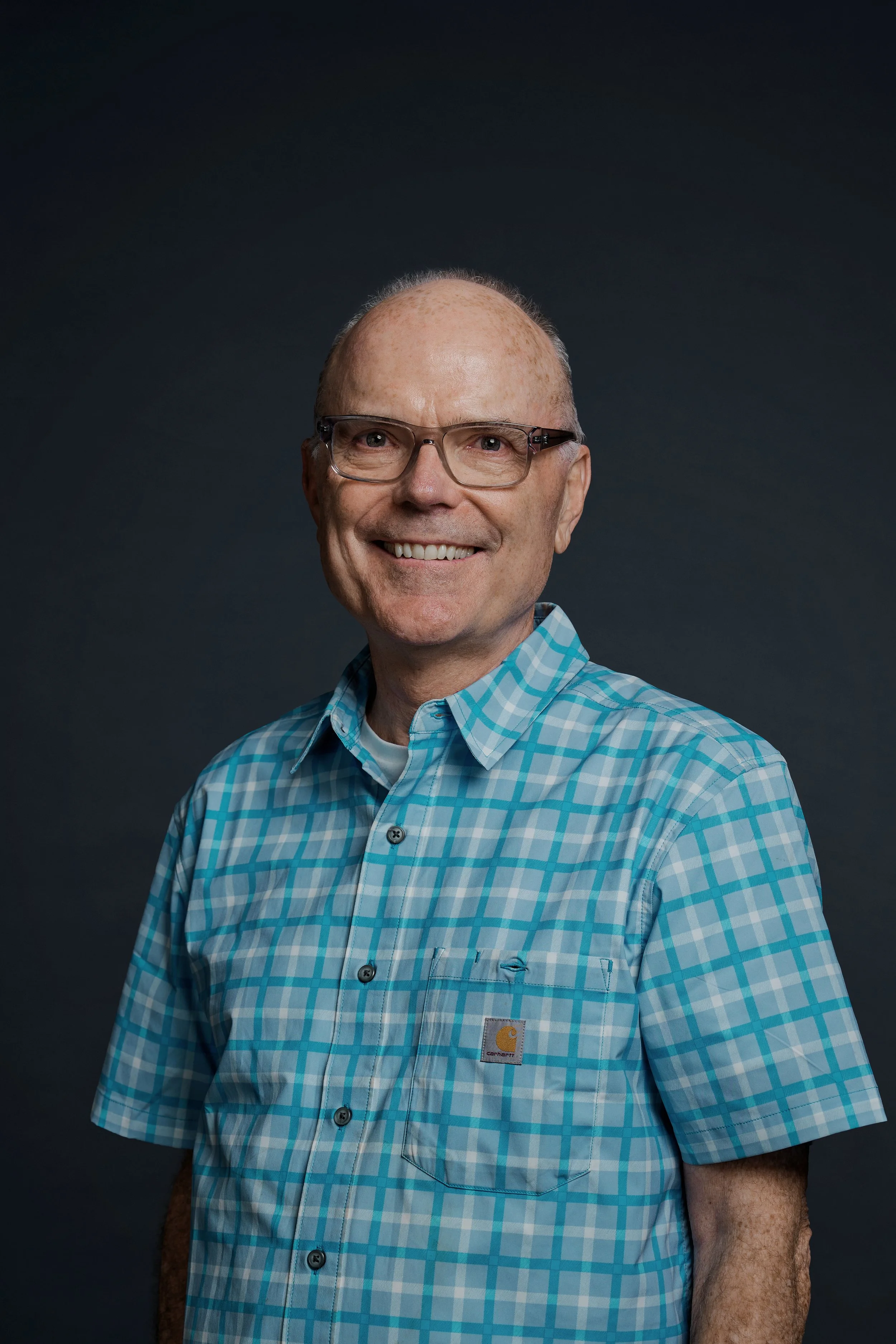
Dan Picard
Chief Experience Officer
MDSX Creative
-
![]()
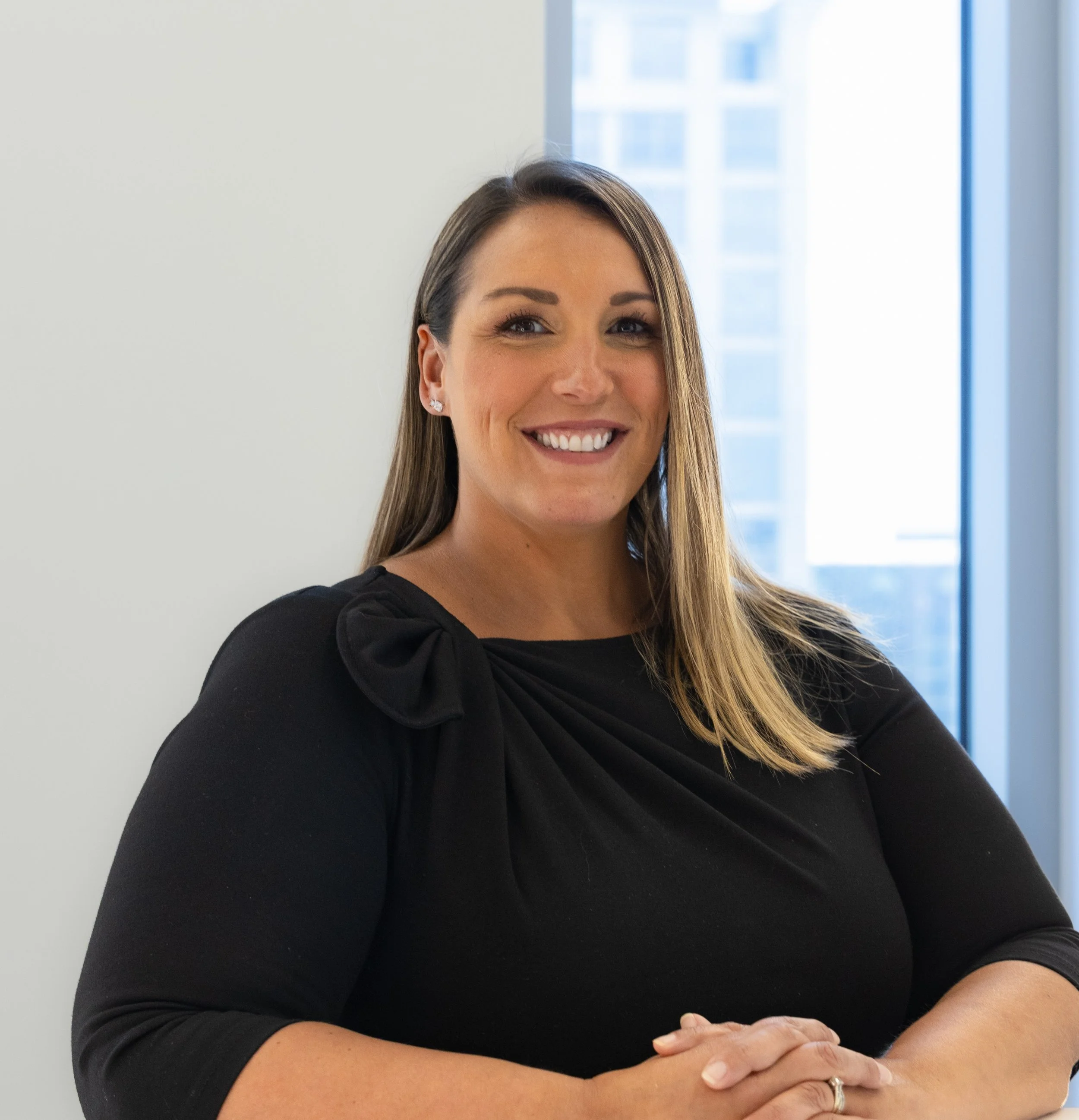
Brooke Chea, AIA
Project Manager
HuntonBrady Architects
-
![]()
Steve Tatham
Chief Creative Officer
MDSX Creative
-
![]()
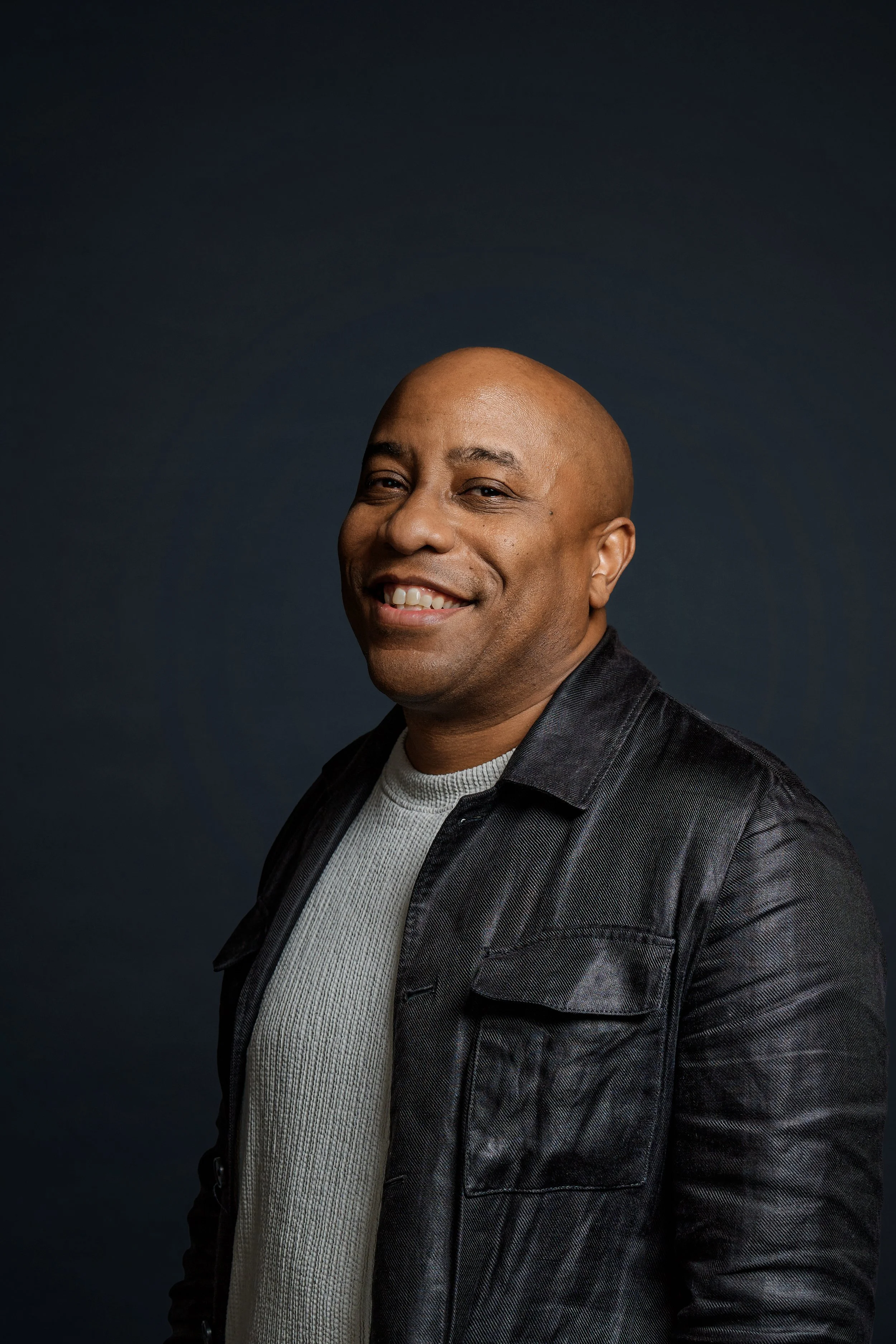
Kellen Nixon
Creative Education + Interpretation Consultant
Nixon & Co.
-
![]()
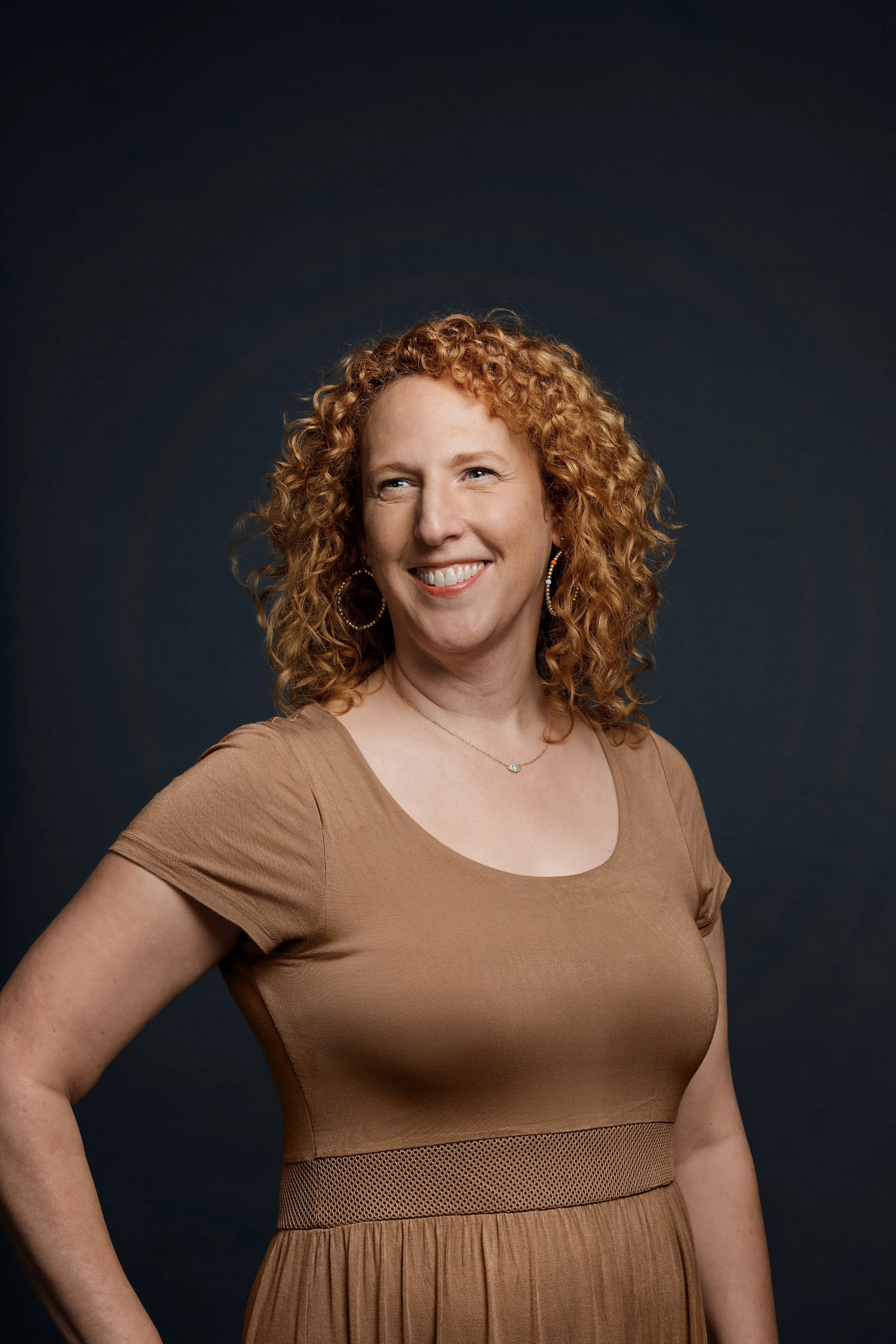
Alisa Katz
Creative Producer
MDSX Creative
-
![]()
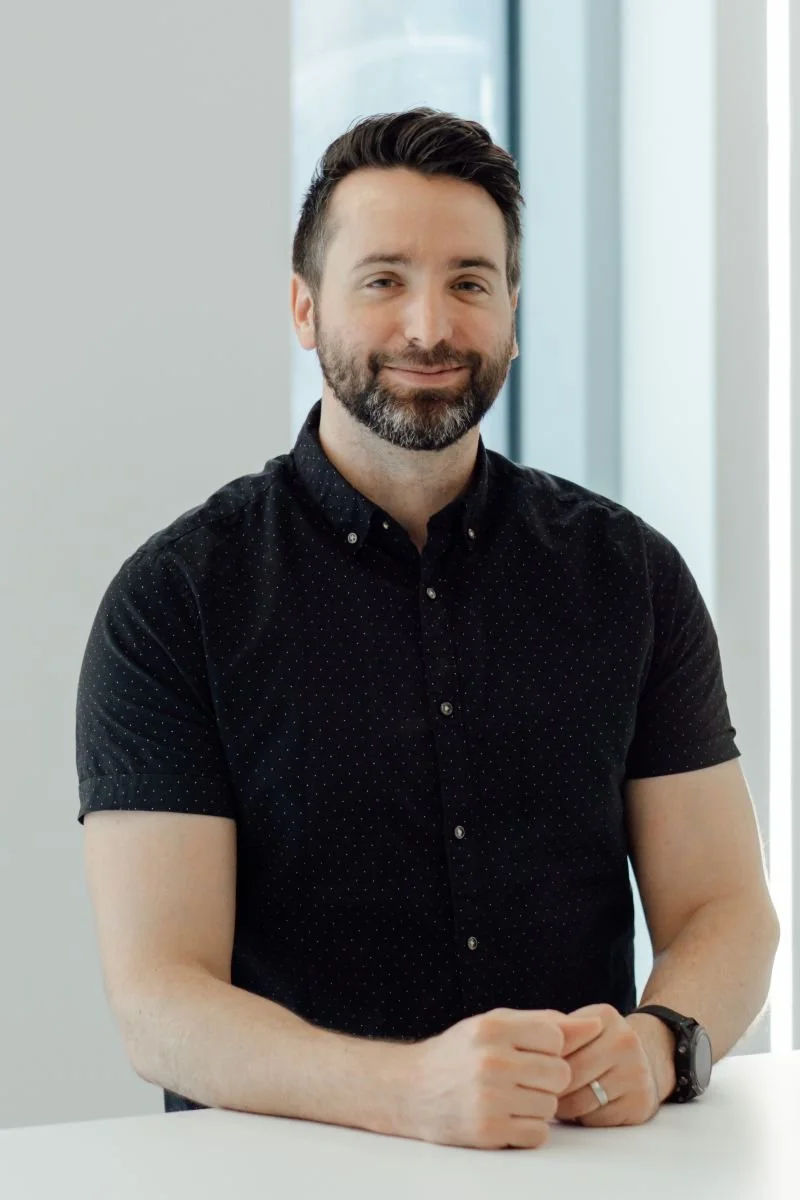
Trevor Boyle, AIA
Design Architect
HuntonBrady Architects
-
![Janelle Picard]()
Janelle Picard
Executive Producer
MDSX Creative
Notable Design Elements
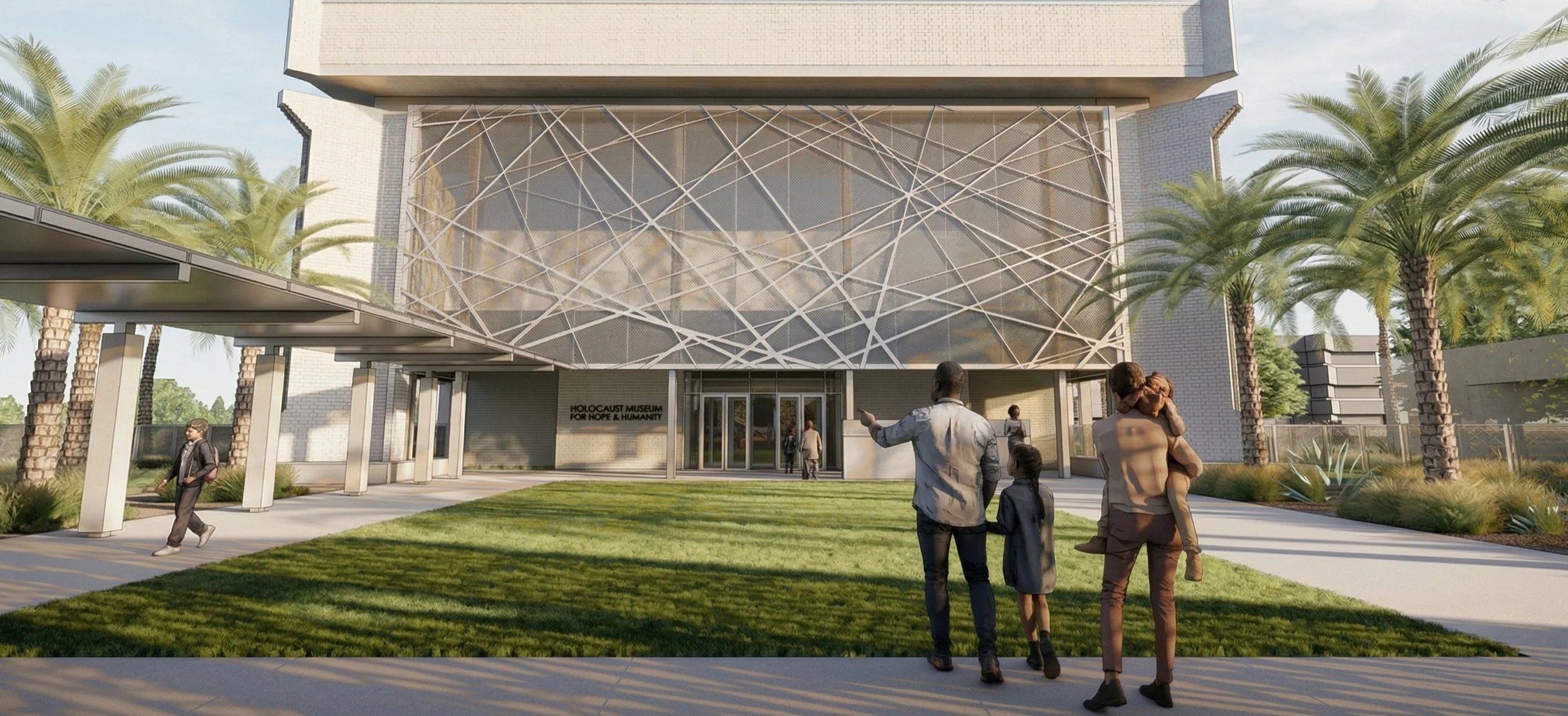
The museum’s design reflects both a global history and a local connection.
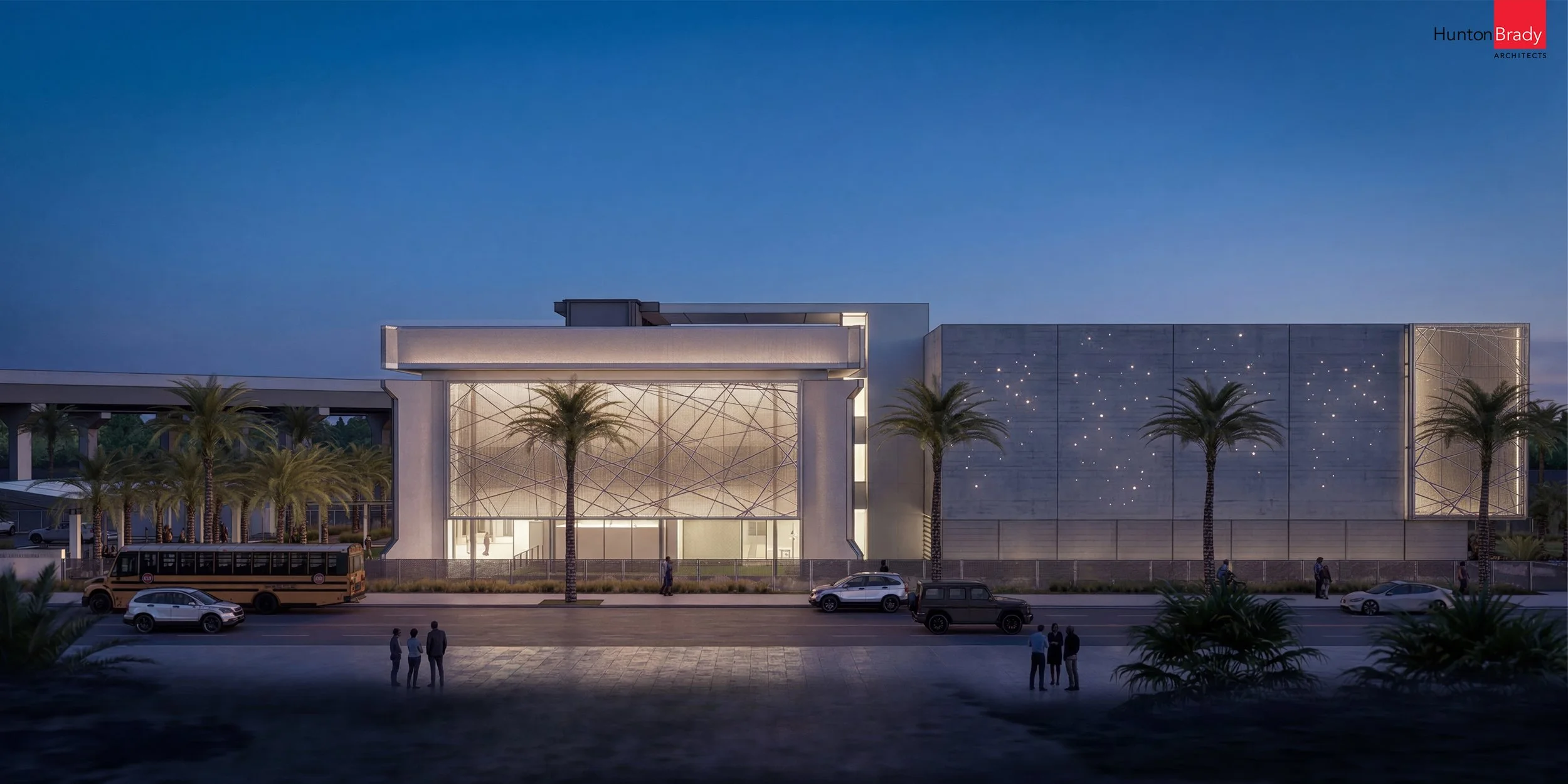
The screened façade and lines in front of the building symbolize the connection between the broader global experience of the Holocaust and our local Florida community. They represent movement, journeys, and the ways individual stories intersect. Survivors who never met in Europe now live in the same community.
There are two courtyard areas with seating, filled with native plants, creating welcoming spaces for reflection and gathering.
The 18 palm trees on the property symbolize “life,” as the number 18 holds special meaning in Hebrew.
Some design elements echo the 1950s and sixties’ style of the former Chamber of Commerce building, connecting the museum to iconic local architecture that survivors would have seen when they arrived in Central Florida.
The museum campus is airy, secure, and welcoming, designed as a positive addition to the community while respecting and stewarding the space.
Give to the New Museum
Your gift means more to us than the dollars themselves — it represents your belief in our mission and your decision to stand with us.
Together, we are preserving the past and protecting the future.
Interested in giving over $1,000? Please reach out to our Development Team via email!
Civic Support
State of Florida
Allocation of $5 million

Orange County TDT
Allocation of $10 million
City of Orlando
Building & Land Value of $10 million
Press
-
![]()
July 13, 2026: Orlando Business Journal
-
![]()
April 14, 2026: Spectrum News 13
-
![]()
February 3, 2026: Orlando Sentinel