
Mission | Vision | History

Our Mission
The Museum uses the history and lessons of the Holocaust to build a just and caring community free of antisemitism and all forms of prejudice and bigotry.
Through survivor stories, authentic artifacts, exhibits, and educational programs, the Museum fosters empathy, critical thinking, moral courage, and civic responsibility, inspiring action against hatred and injustice.
Our Vision
A world in which the lessons of the Holocaust compel each individual to act with empathy, resilience, perspective, and moral courage.
Our Role
We are Educators.
Our work bridges history and humanity. We create spaces where learning and reflection cultivate empathy, deepen understanding, and strengthen moral courage. We teach not only what happened, but why it matters so that each person can carry these lessons into their own choices and communities.
Our Organizational Pillars
-
We honor the real people whose lives were forever changed by the Holocaust. Their stories remind us that history is human, and that how we remember shapes who we become. By preserving and sharing these lived experiences, we ensure that every life is seen, valued, and never forgotten.
-
Understanding another’s story changes how we see the world. Through education rooted in historical accuracy and integrity, we inspire people to think deeply, question assumptions, and recognize and reject indifference and hate.
-
Facing history requires honesty, humility, and care. We create space for dialogue and self-examination that helps individuals connect past and present, remembering not only what happened but what it asks of us now. Through reflection, we transform remembrance into resilience, conscience, and action guided by empathy and moral responsibility.
-
Belonging is the antidote to othering. Belonging grows when we listen, learn, and remember together. By finding common humanity, we build bridges across differences, strengthening respect, connection, and community. The lessons of the Holocaust teach us that every individual has the right to dignity and justice.
-
The lessons of the Holocaust urge us to live our values with courage and conscience, to recognize injustice, resist othering, and stand up for those who are marginalized. Through action grounded in reflection and human connection, we honor memory by shaping a more just and compassionate world.
Our History
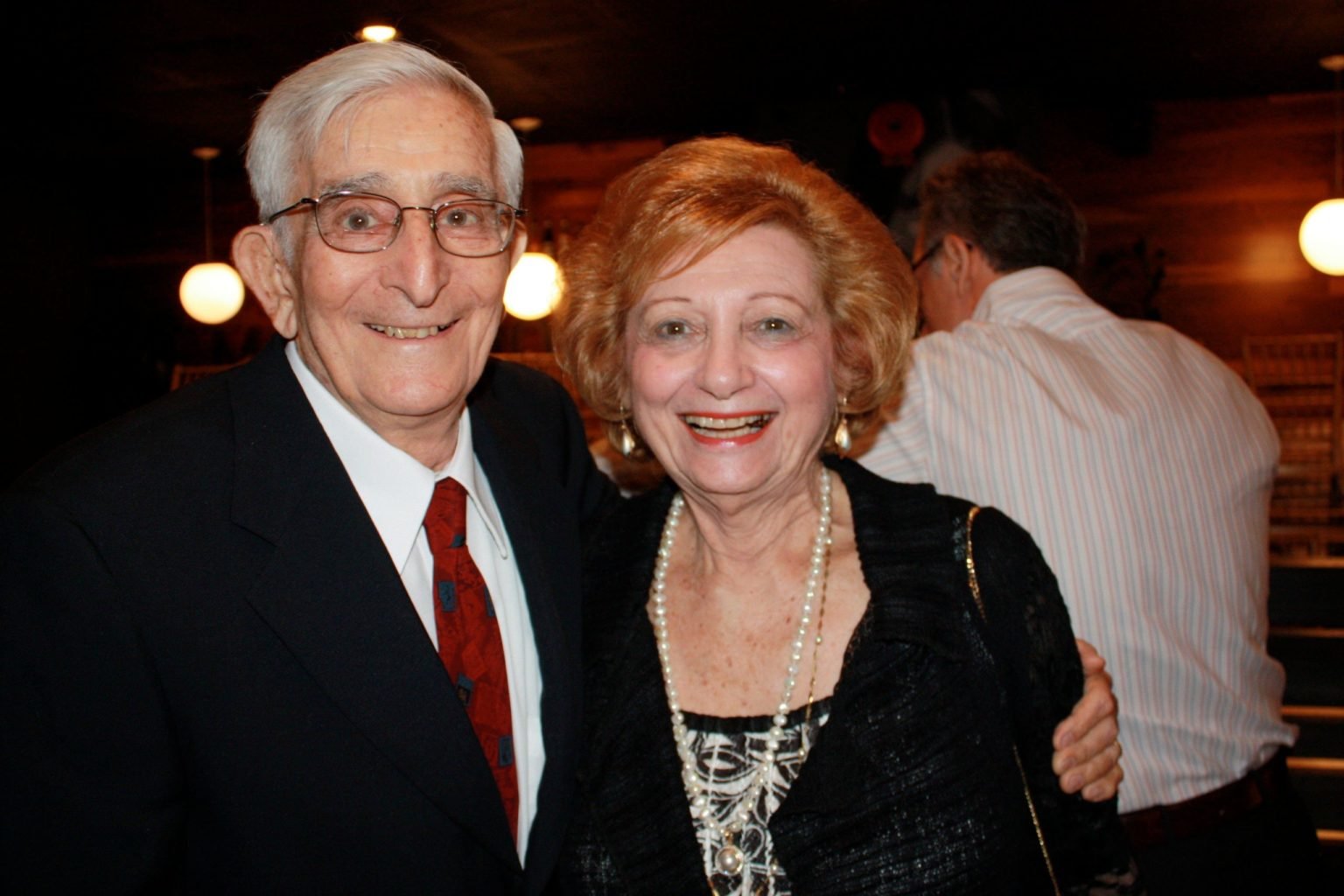
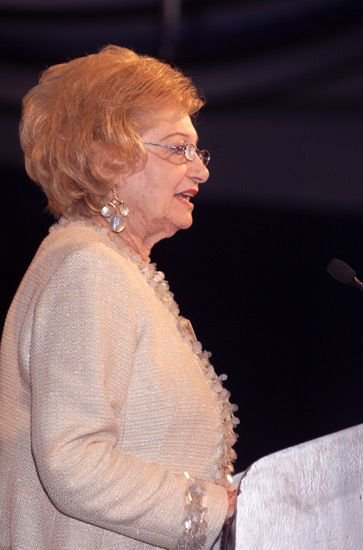

The Holocaust Memorial Resource & Education Center of Florida was established in 1981 as the Holocaust Project of Valencia Community College, initiated by Tess Wise, a local Holocaust survivor. The project aimed to raise awareness about the Holocaust during a time when education on the subject was limited, culminating in a significant two-day conference. On September 10, 1982, it became an independent 501c3 organization, with Tess serving as the volunteer Executive Director for over two decades. By 1986, the Center opened as the first Holocaust museum in the Southeast, predating the US Holocaust Memorial Museum in Washington, DC.
Dedicated to fostering a respectful and inclusive community, the Center connects Holocaust lessons to contemporary social issues, such as immigration crises and human rights violations. In 1994, Florida mandated Holocaust education in public schools, and the Center has since provided resources across a 13-county area, reaching over 25,000 students in 2019 alone. A key initiative, UpStanders: Stand Up to Bullying, launched in 2010 and has positively impacted over 34,000 students.
As one of the oldest facilities of its kind in the nation, the Center remains a nonprofit organization, offering free public access and educational programs aimed at promoting empathy and social responsibility.
Our Values
We value people, their stories, their experiences, and their dignity. We value respect and justice. At the Holocaust Memorial Resource & Education Center of Florida, these principles are not afterthoughts; they are central to our mission of using the history and lessons of the Holocaust to build a just and compassionate community free of antisemitism, prejudice, and bigotry. Each day, we strive to live out these values through our exhibits, our relationships, and our actions.