
Upcoming Events

Hope & Humanity Take Center Stage on Wednesday, November 4, 2026, at Steinmetz Hall at the Dr. Phillips Center for the Performing Arts as we Honor Bruce Gould with this year's Tess Wise Tribute Award.
Named in honor of the Center’s founder, the Tess Wise White Rose Tribute Award recognizes individuals and organizations whose dedication to justice and equality actively contributes to building a society free from all forms of hate. Honorees embody the Center’s mission by promoting education and fostering unity and understanding in Central Florida.
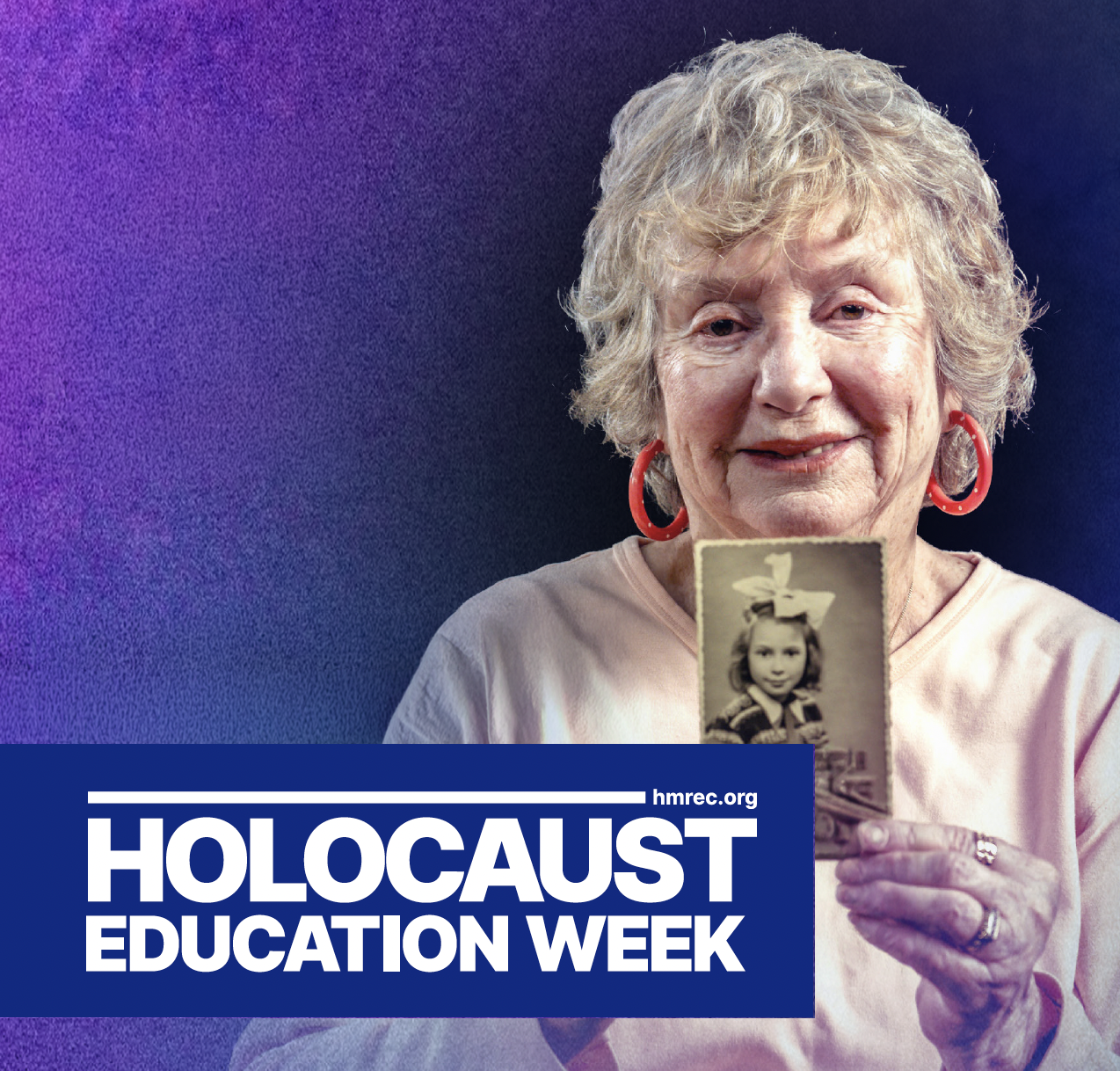
Holocaust Education Week in Florida is held annually the second week in November, which coincides with the anniversary of Kristallnacht, November 9-10, 1938, a major turning point in the persecution of European Jews by the Nazi regime. The Commissioner’s Task Force on Holocaust Education identifies the following resources to assist K-12 educators in structuring Holocaust Education Week lessons.

The Holocaust commemoration series honors the memory of victims and survivors while encouraging reflection on how to prevent such atrocities
The Holocaust commemoration series honors the memory of victims and survivors while encouraging reflection on how to prevent such atrocities in the future. By fostering dialogue and engagement, these commemorations underscore the enduring importance of remembrance and promote tolerance, empathy, and justice.
Gather with us to observe Kristallnacht (the Night of Broken Glass), also called the November Pogrom, marking the intensification of terror against the Jews in the Third Reich. Speaker details to come.
Holocaust Education Week in Florida is held annually the second week in November, which coincides with the anniversary of Kristallnacht, November 9-10, 1938, a major turning point in the persecution of European Jews by the Nazi regime. The Commissioner’s Task Force on Holocaust Education identifies the following resources to assist K-12 educators in structuring Holocaust Education Week lessons.
Holocaust Education Week in Florida is held annually the second week in November, which coincides with the anniversary of Kristallnacht, November 9-10, 1938, a major turning point in the persecution of European Jews by the Nazi regime. The Commissioner’s Task Force on Holocaust Education identifies the following resources to assist K-12 educators in structuring Holocaust Education Week lessons.

How does a democracy collapse? Explore the political, economic, and social conditions that led to the rise of Nazi Germany and examine the gradual erosion of democratic institutions and individual rights. Participants will gain inquiry-based lessons that help students understand the importance of civic engagement and protecting democratic values.
Discover how the Nuremberg Trials shaped modern concepts of justice, accountability, and human rights. Through primary sources and inquiry-based activities, participants will explore courtroom evidence, crimes against humanity, and engaging classroom strategies that connect Holocaust history to civics education.
Move beyond survival narratives by exploring the complete life stories of Holocaust survivors. Learn how to use first-person testimony to help students understand Jewish life before the Holocaust, experiences during persecution, and the resilience demonstrated in rebuilding lives after liberation. Includes Florida-based survivor resources and classroom activities.
Design respectful and educational Holocaust remembrance experiences for your classroom or school community. This session shares best practices for planning commemorative activities, avoiding common pitfalls, and creating meaningful opportunities that honor victims and survivors while deepening historical understanding.
With countless Holocaust education resources available, knowing where to start can be overwhelming. This session highlights trusted organizations, primary sources, lesson plans, multimedia resources, and digital tools while helping educators curate a standards-aligned collection of materials tailored to their classrooms.
Develop strategies for leading respectful, evidence-based classroom discussions about Holocaust history and other challenging topics. Participants will learn practical discussion protocols, questioning techniques, and facilitation strategies that encourage thoughtful dialogue while remaining grounded in historical evidence and Florida standards.